![]() |
|
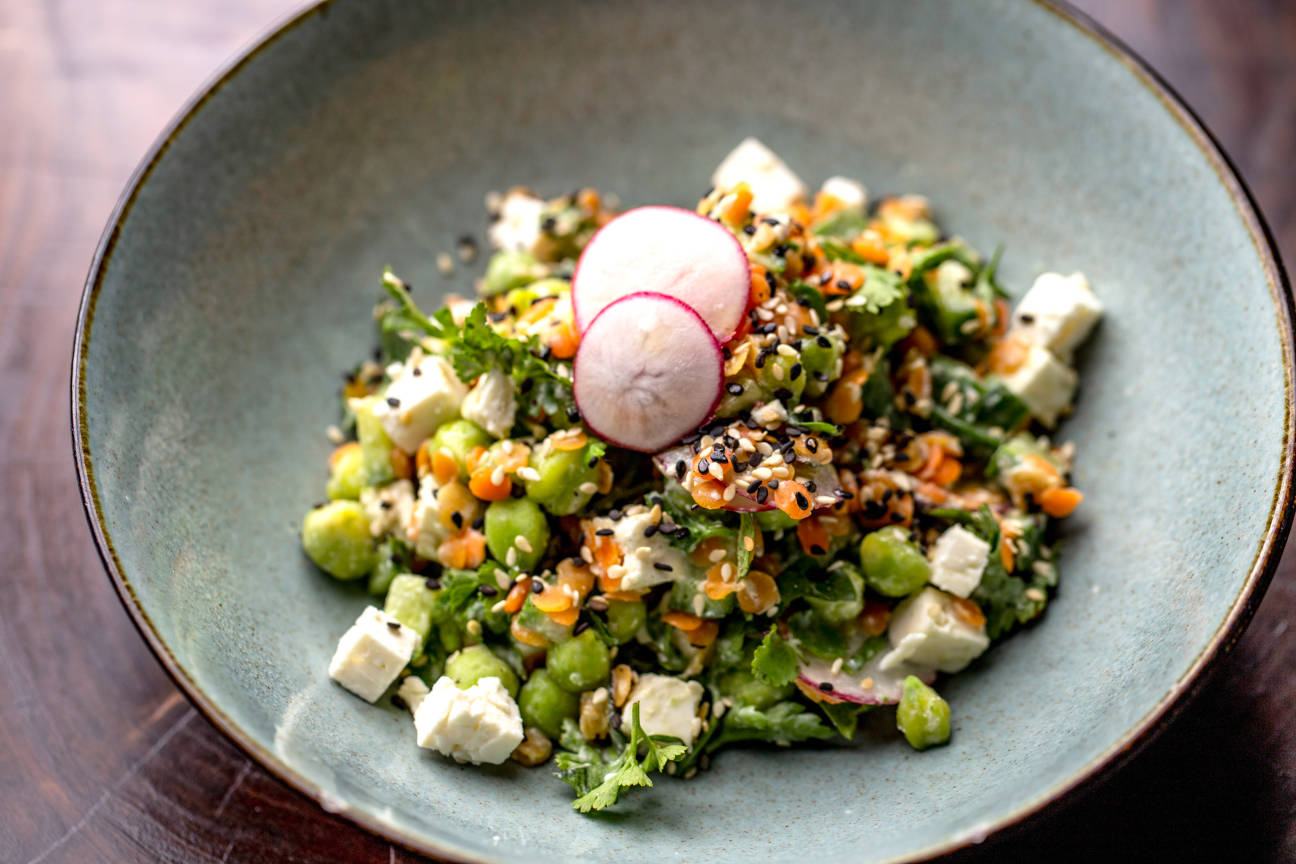
We grow good Our approach to gardening on the Noble Rot rooftop is both production-driven and experimental-minded. Almost any vegetable or any variety thereof has the right to its fifteen minutes of fame up there, but to stick around longer than that it has to deliver the goods over and over again, or, if it’s finicky, it has to provide something that we just can’t find at market, making us willing to tolerate its petulance. A rooftop garden contends with the full force of wind and sun. Add to that a shallow soil profile (because, after all, soil is heavy and it is on a roof), and the criteria for vegetable selection become stiff indeed. Besides constantly trialing different veggie varieties for their ability to thrive under those conditions, we are forever fiddling with the systems themselves. A rooftop garden, no matter how extensive or intensive, constitutes some permutation of container gardening, so we play with different soil themes, fertilizer regimes (all organic!), irrigation schemes, and overall design dreams to realize our goals and make nature bend, slightly, to our wills. Chefs do much of the work of this garden – all of the harvest and some of the prep and planting. They gather baskets of produce during the day and then again run up during the evening press to snip this or that herb that is running low or to hustle ingredients for a made-to-order salad for a special restaurant guest. Gardener and chef patrol the terrain frequently evaluating the merits and performance of each offering, and sometimes laggards or offenders are pulled out on the spot and consigned to the compost heap. Nature abhors a vacuum here as much as elsewhere, so the soil in this high-output garden is barely ever without greenery or sprouting seed, sometimes being re-planted within minutes of harvest. Winter comes and with it some rest. Endive, kale, lettuce, and arugula remain, but they are lightly harvested. The garden and all its tenders take a breath, but only to begin the cycle again soon after solstice, hunched over seed catalogs, ready to start transplants indoors, and confident, as all gardeners are, that the upcoming season really will be the best ever.
|
|
|
|
Our Gardener |
|
|
why we garden by Leather Storrs Part of my internship during my culinary education at the CIA included 6 weeks at Chez Panisse in Berkeley, California. I hated it. Every morning at 7 a.m. I trudged upstairs to the café and was greeted by a stack of boxes, taller than me, containing lettuces. My job, for the next six hours, was to clean these little heads in a big sink full of water. I would then spin the lettuce in a teeny, home sized salad spinner and layer the greens on linen napkins in tubs. After that, I’d make the pasta for the café, then I’d go home. I stood over that sink cursing Alice Waters. Looking back, I call it my Karate Kid experience. In the movie, Ralph Macchio does all kinds of menial tasks for the mysterious Pat Morita. Finally Macchio loses his temper “I’m just a lackey,” he thinks. But Wait! The repetition of his moves, the severity of their form… yep, Karate! It was the same for me, without foxy Elizabeth Shue in that fuzzy sweater. The repetition of my actions and the attention to detail required of me instilled a profound understanding of quality. In seeing the subtle variations in the lettuces day to day I began to know what to look for in a delicious green. I began to know good, intuitively. That understanding seeped into my appraisal of all products: meat, fish, fruit, chocolate, wine. The connection between the raw material and the finished product, the benefit of pristine building blocks was my take away from Chez Panisse and it informs the kind of cook that I have become. There is no substitute for fresh vegetables, artfully tended, harvested at their peak and cooked carefully. As a cook, I have tried to find the best produce and protein our region can offer. Given the opportunity to grow my own I jumped at the chance. The Rocket building is extraordinary. Not only do we have easy access and electricity for our 3000 square foot garden, but we have unique water that comes from an ancient aquifer beneath the building. Every year we manage to jam more planters and beds up on our magical roof and Marc Boucher-Colbert unveils another innovation or introduces us to a new vegetable. The garden is the soul of Noble Rot. |